
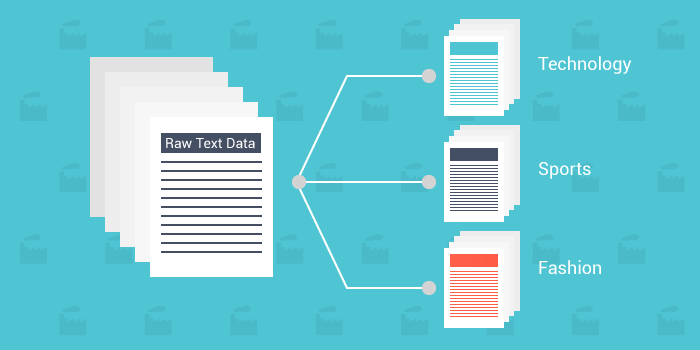
AI Document Classification: Smarter Data Management
In today’s data-driven world, businesses and organizations deal with vast amounts of documents daily. Manually sorting and categorizing them is time-consuming and error-prone. Enter Artificial Intelligence (AI)—powerful document classification systems can automate this process, improving efficiency and accuracy.
AI Document Classification: Smarter Data Management
In this article, we’ll explore how AI-driven document classification works, its benefits, and real-world applications.
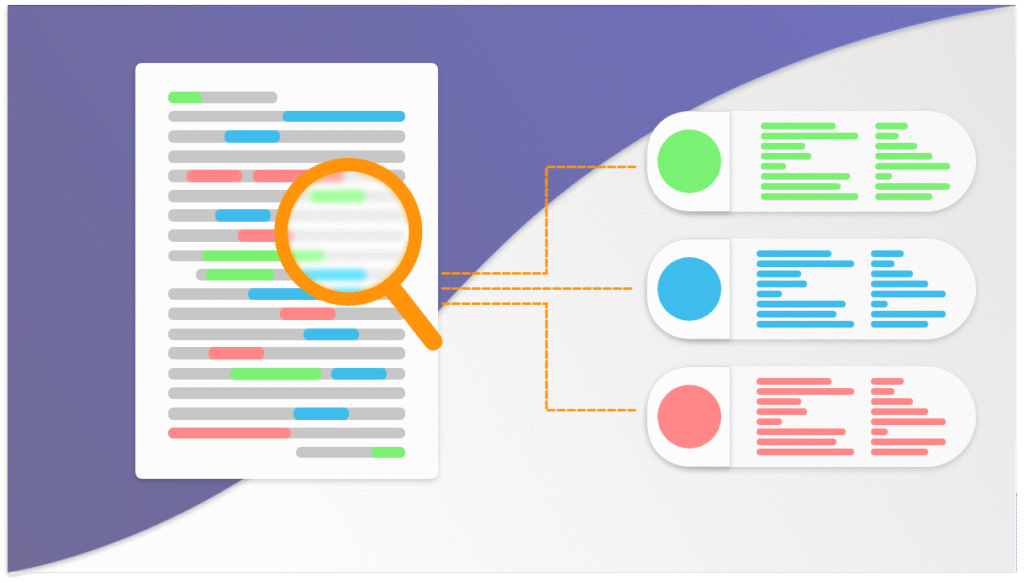
What is Document Classification?
Document classification is the process of assigning categories or tags to documents based on their content. Traditionally, this was done manually or with rule-based systems. However, AI-powered classification uses machine learning (ML) and natural language processing (NLP) to analyze text, identify patterns, and categorize documents automatically.
How AI Enhances Document Classification
- Machine Learning Models
- Natural Language Processing (NLP)
- Deep Learning
Benefits of AI-Powered Document Classification
- Saves Time & Reduces Costs – Automation eliminates manual sorting, speeding up workflows.
- Improves Accuracy – AI reduces human errors in categorization.
- Enhances Searchability – Tagged documents are easier to retrieve.
- Scalability – Handles large volumes of documents effortlessly.
- Supports Multiple Formats – Works with PDFs, emails, scanned images (OCR), and more.
Real-World Applications
1. Legal Industry
- Automatically categorizes case files, contracts, and legal briefs.
- Helps in e-discovery by sorting relevant documents for litigation.
2. Healthcare
- Classifies patient records, lab reports, and insurance claims.
- Ensures compliance with data privacy regulations (HIPAA, GDPR).
3. Financial Services
- Sorts invoices, receipts, and transaction records for auditing.
- Detects fraudulent documents using anomaly detection.
4. Customer Support
- Routes support tickets based on content (billing, technical issues, etc.).
- Improves response times with automated tagging.
5. Government & Public Sector
- Organizes public records, permits, and applications efficiently.
- Enhances transparency in document management.
How to Implement AI Document Classification
- Data Collection & Labeling – Gather a data of documents and label them for training.
- Choose the Right Model – Use pre-trained models .
- Deployment – Integrate the model into your workflow via APIs or cloud services.
- Continuous Improvement – Retrain the model with new data to maintain accuracy.
Future of AI in Document Classification
With advancements in large language models (LLMs) , document classification will become even more sophisticated. Future systems may:
- Classify documents in multiple languages seamlessly.
- Extract and interpret data from handwritten notes.
- Combine text, images, and tables for better context understanding.
Conclusion
AI-powered document classification is transforming how businesses manage information. By automating categorization, organizations can boost productivity, reduce errors, and enhance data accessibility. Whether in legal, healthcare, finance, or customer service, AI-driven classification is a game-changer.
Is your business ready to adopt AI for document management? Start exploring the best solutions today!
Our Services
- Document Scanning Archiving
- Enterprise Document Digitization & Data Extraction
- Invoice Data Extraction Services