
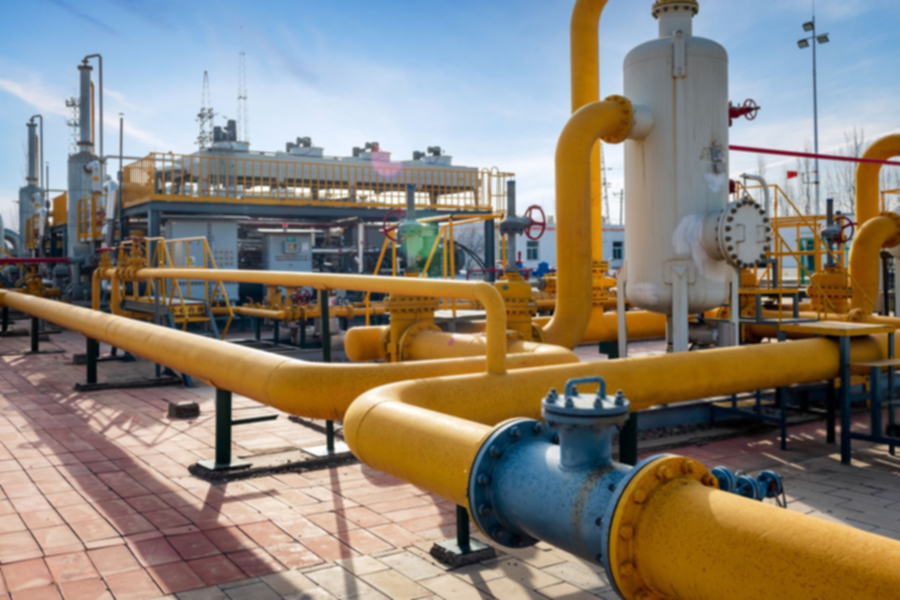
Why Asset Management Is Critical in Oil and Gas
1. High-Value, High-Risk Infrastructure
Oil and gas companies operate capital-intensive equipment such as:
- Drilling rigs
- Compressors and turbines
- Pumps and valves
- Storage tanks
- Field vehicles
- IT and communication equipment
Each asset carries operational, safety, and financial implications. A missing or mismanaged asset is not merely an accounting discrepancy — it can disrupt production or compromise safety.
A structured platform such as AsseTrack™ | Asset Management System enables centralized asset registration, classification, and tracking across facilities, fields, and corporate offices without fragmentation.
2. Full Asset Lifecycle Management
In oil and gas, assets move through complex lifecycle stages:
- Procurement
- Commissioning
- Operational usage
- Maintenance
- Transfer between locations
- Warranty tracking
- Decommissioning or disposal
An advanced system supports Asset Lifecycle Management, ensuring that every stage is documented and auditable. This visibility improves capital planning and supports compliance with internal controls and external regulations.
Lifecycle oversight also integrates naturally with systems such as ERP SUN | Smart ERP, allowing financial depreciation and operational tracking to remain aligned.
3. Distributed Locations and Operational Mobility
Oil and gas assets are rarely centralized. Equipment may be deployed across:
- Offshore platforms
- Desert fields
- Refineries
- Storage terminals
- Corporate offices
A Web-based system ensures that field engineers, operations managers, and headquarters staff access real-time data from anywhere without dependency on local installations.
The ability to Manage Locations and structure assets by operational site provides accurate visibility across geographically dispersed environments.
4. Department and Staff Asset Accountability
Asset allocation is dynamic. Tools, vehicles, and devices are frequently assigned to departments or specific staff.
A robust system must support:
- Manage Departments
- Staff Asset Allocation
- Transfer tracking
- Return confirmation
This structured accountability reduces loss, prevents duplication of procurement, and improves audit readiness.
5. Audit Readiness and Regulatory Compliance
Oil and gas is heavily regulated. Asset verification is routinely required for:
- Internal audit
- External audit
- Insurance validation
- Environmental and safety compliance
An integrated Audit Module with complete History Tracking ensures that every change — transfer, reassignment, warranty update, or status modification — is logged and traceable.
Audit traceability is not only about compliance; it strengthens governance and reduces financial exposure.
6. Contract and Warranty Management
Industrial assets often come with:
- Long-term service agreements
- Maintenance contracts
- Vendor warranties
- Extended support arrangements
Failure to track these contracts leads to unnecessary repair costs or missed claims.
Integration with solutions such as Contracts Plus | Contract Management System enables structured oversight of contract periods, renewal notifications, and warranty documentation linked directly to assets.
7. Asset Stock and Spare Parts Control
Beyond fixed assets, oil and gas operations depend heavily on spare parts and consumables.
An integrated Asset Stock Module supports:
- Spare part classification
- Quantity tracking
- Movement history
- Reorder visibility
This minimizes downtime caused by unavailable critical components.
8. Structured Reporting and Executive Oversight
Leadership in oil and gas requires clear operational intelligence.
Standard and Custom Reports allow management to monitor:
- Asset distribution by location
- Asset value by department
- Warranty expiration timelines
- Asset utilization trends
- Audit discrepancies
The ability to export via Excel Import and Export simplifies financial reconciliation and regulatory submissions without introducing data inconsistencies.
9. Multi-Language and Cross-Regional Operations
Many oil and gas organizations operate across multiple countries with diverse workforce profiles.
A Multi-Language system ensures that operational teams, management, and compliance departments can interact with the platform in their preferred language without fragmentation.
This is especially valuable for multinational contractors and joint ventures.
10. Role-Based Security and Controlled Access
Given the sensitivity of operational data, structured User Roles & Access Control is essential.
Different stakeholders require different access levels:
- Asset administrators
- Field supervisors
- Procurement officers
- Auditors
- Executive management
Role-based controls ensure that users only access data relevant to their responsibilities, strengthening governance and reducing internal risk.
Beyond Asset Tracking: Integrated Operational Ecosystem
While asset management is foundational, oil and gas enterprises benefit from an interconnected digital framework.
For example:
- Docufiles™ | Document Management System can securely archive technical manuals, inspection reports, and compliance documentation associated with assets.
- Smart Support System can manage maintenance tickets and service workflows tied to specific equipment.
- Visitree™ | Visitor Management System enhances security oversight in critical facilities.
When integrated thoughtfully, these systems create a unified operational environment rather than isolated software silos.
The Business Impact
Implementing a structured asset management system in oil and gas results in:
- Improved asset visibility
- Reduced financial leakage
- Stronger audit readiness
- Better lifecycle cost control
- Reduced downtime
- Clear accountability
- More informed capital planning
In an industry where operational interruptions are costly and compliance failures are unacceptable, structured asset governance becomes a strategic requirement — not merely an IT initiative.
Conclusion
The oil and gas sector operates at the intersection of capital intensity, regulatory oversight, and operational complexity. Managing assets through spreadsheets or fragmented systems introduces risk that scales with growth.
A centralized, web-based asset management system with lifecycle control, audit traceability, reporting capabilities, and structured access governance provides the operational backbone required for modern oil and gas enterprises.
When asset visibility is strong, operational performance follows.